







- Adjustable-rate mortgages (ARMs) now make up 10% of home purchase applications—the highest share since 2023—as buyers seek lower initial payments.
- With mortgage rates above 6%, many are betting on future rate cuts to refinance before their ARM rates reset.
- While ARMs played a key role in the 2008 housing crisis, tighter lending standards and rate caps have made today’s ARMs less risky.
- Builders are helping drive the trend, with 14% of new-home buyers choosing ARMs, according to an October survey.
Shifting Tactics in a Costly Market
As home prices remain near record highs and monthly ownership costs continue to climb, buyers are looking for ways to make their mortgages more affordable—at least for now. One increasingly popular solution: adjustable-rate mortgages, says The WSJ.
ARMs offer lower initial interest rates than traditional 30-year fixed loans, making them attractive to buyers struggling with affordability. But they come with a catch: the rate resets after a set term, typically between 5 and 10 years, and monthly payments could increase sharply if rates rise.
Still, buyers are willing to take that risk in hopes that rates will fall before their ARM resets.
The Numbers
The average 30-year fixed mortgage rate stood at 6.15% in late October, while five- and seven-year ARMs averaged just 5.46%, according to Optimal Blue. That spread has sparked renewed interest in ARMs, which now account for 10% of new mortgage applications—up from just 3% in early 2021.
Some buyers, like Kyle and Audrey Everett in Washington, D.C., are opting for ARMs to shave hundreds off their monthly payments. They chose a seven-year ARM at 5.25% instead of locking in a 5.875% fixed rate.
Why It’s Different This Time
ARMs were a major contributor to the 2008 housing crash, when ultralow teaser rates reset to unaffordable levels. But today’s lending environment is more conservative, with tighter qualification standards and interest rate caps designed to limit payment shocks.
And many buyers entering ARM loans now plan to refinance or sell before the reset period kicks in, making them less vulnerable to long-term payment volatility.
Builders Lean In
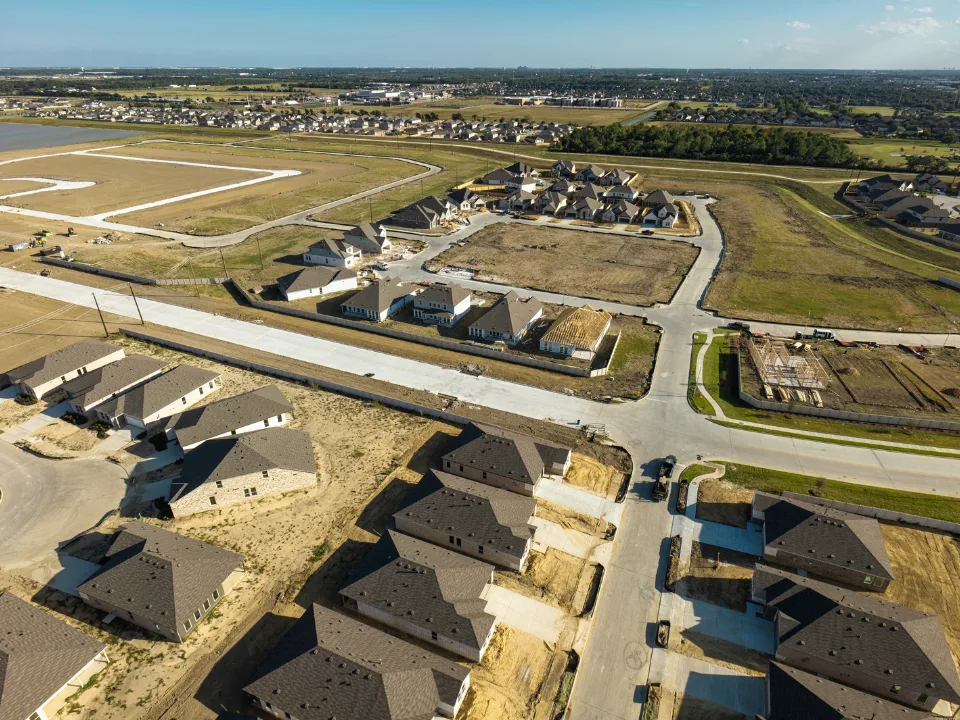
Homebuilders are also leaning into the ARM resurgence. Companies like D.R. Horton and Century Communities have reported rising ARM usage among buyers, who are looking to stay within budget despite surging insurance, tax, and loan costs.
According to John Burns Research & Consulting, 14% of recent homebuilder sales involved ARMs, and over half of surveyed consumers said they would consider one if the rate was lower than a fixed mortgage.
What’s Next
The Federal Reserve’s recent rate cuts—and expectations for more—are fueling optimism that refinancing will be an option before ARM rates reset. Still, the strategy carries risk: if rates remain high or adjustable-rate loans borrowers face job or income loss, refinancing may not be feasible.
But for now, many buyers view ARMs as a necessary trade-off for homeownership in a still-expensive market.
“People want back into the housing market,” said Rick Palacios Jr. of JBREC. “They’re just waiting for something that makes financial sense.”
Get Smarter about what matters in CRE
Stay ahead of trends in commercial real estate with CRE Daily – the free newsletter delivering everything you need to start your day in just 5-minutes