



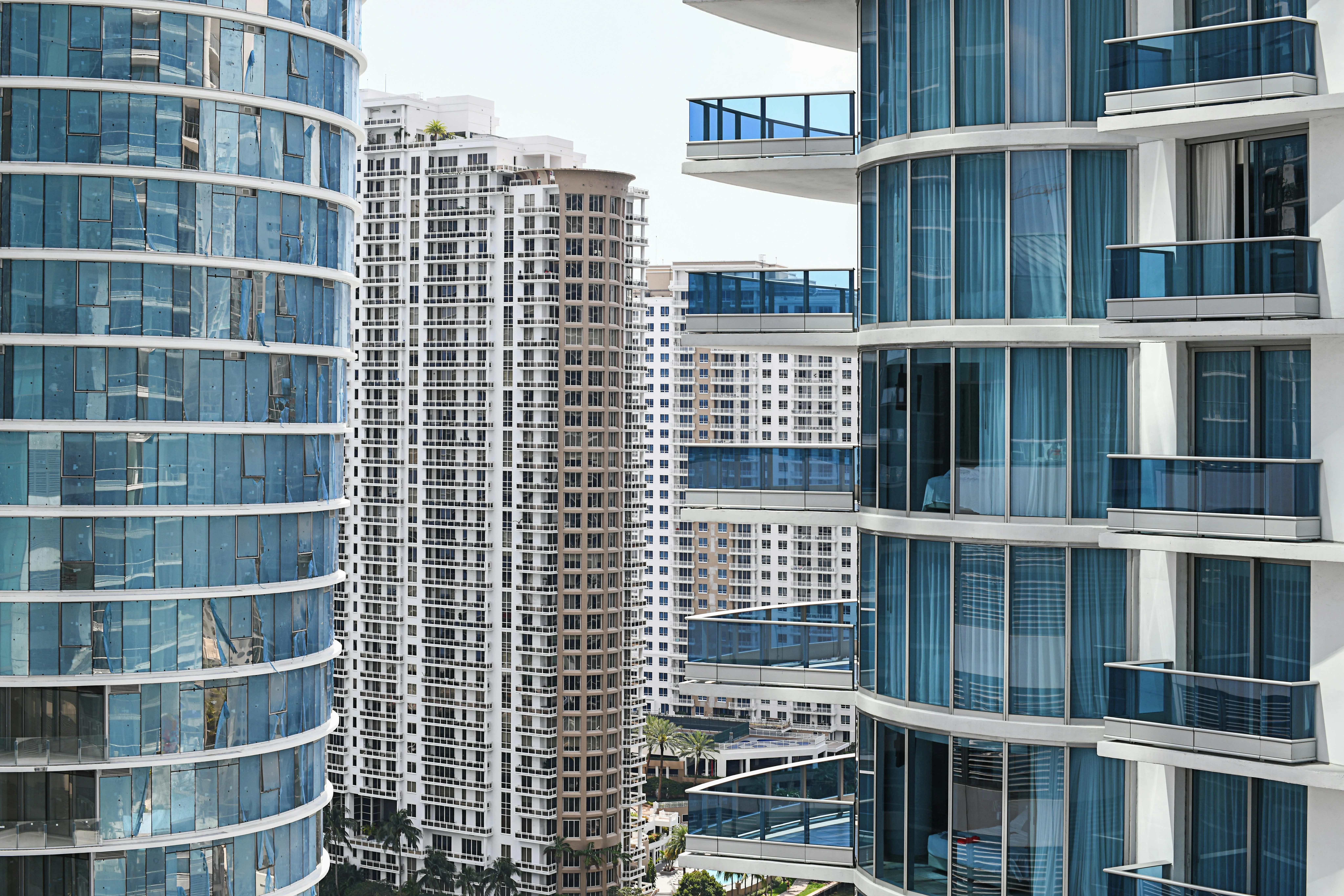



- Miami-Dade leads the nation in multifamily construction, but that surge in supply is putting downward pressure on rents and investor returns.
- Asking rents in Miami are down nearly 6% year-over-year, while developers continue to break ground despite cooling fundamentals.
- Equity is drying up as investors reevaluate risks, with many favoring acquisitions of existing assets over new development plays.
A Market In Transition
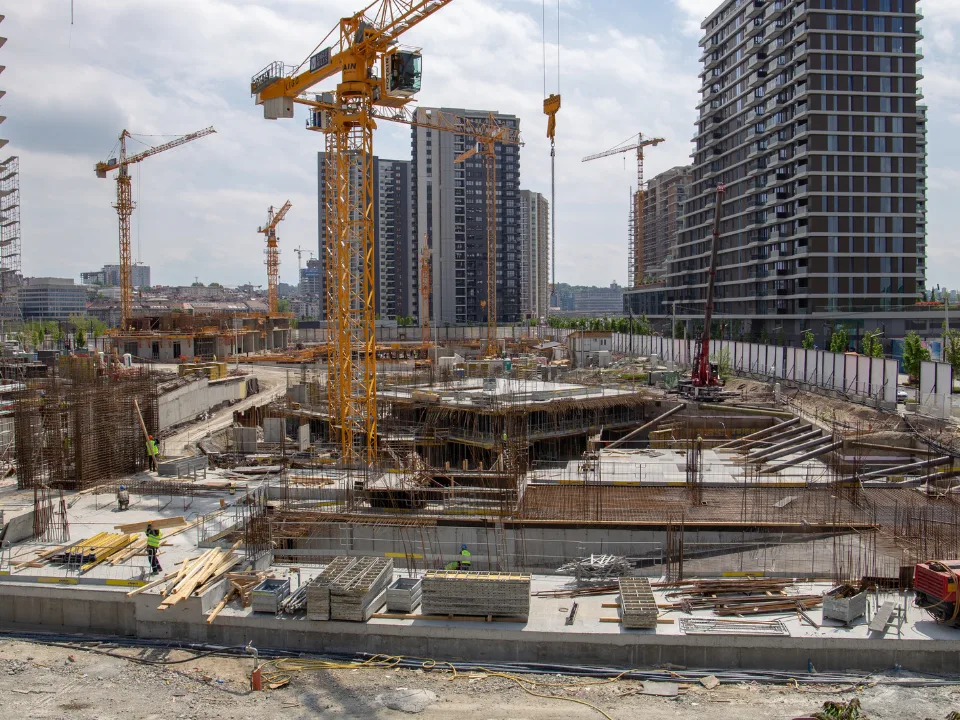
South Florida’s once-scorching multifamily market is facing a stark reality check, reports Bisnow. After years of strong growth, especially post-pandemic, oversupply and softening rents are beginning to spook investors. Miami-Dade, in particular, is at the epicenter of the slowdown, even as construction cranes continue to crowd the skyline.
At Bisnow’s South Florida Capital Markets Forum last week, panelists voiced concern about the current climate. “You have a flat rent roll, maybe up a little bit… Everything’s a new lease, which means [rents] are trending down,” said Matt Ferrari, co-CIO of TruAmerica Multifamily.
Too Much, Too Fast
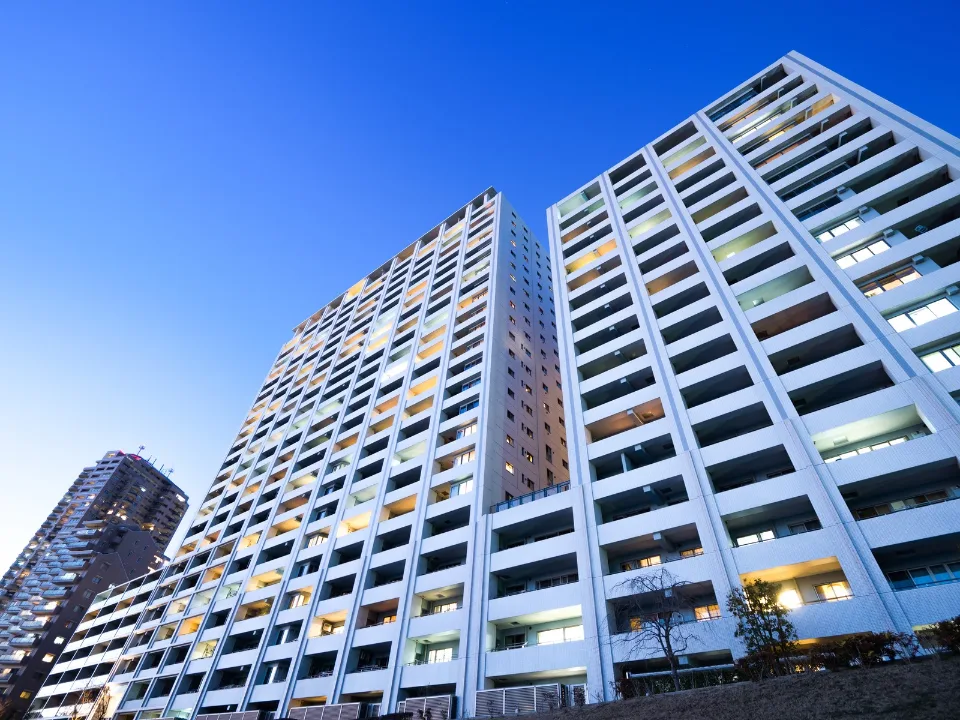
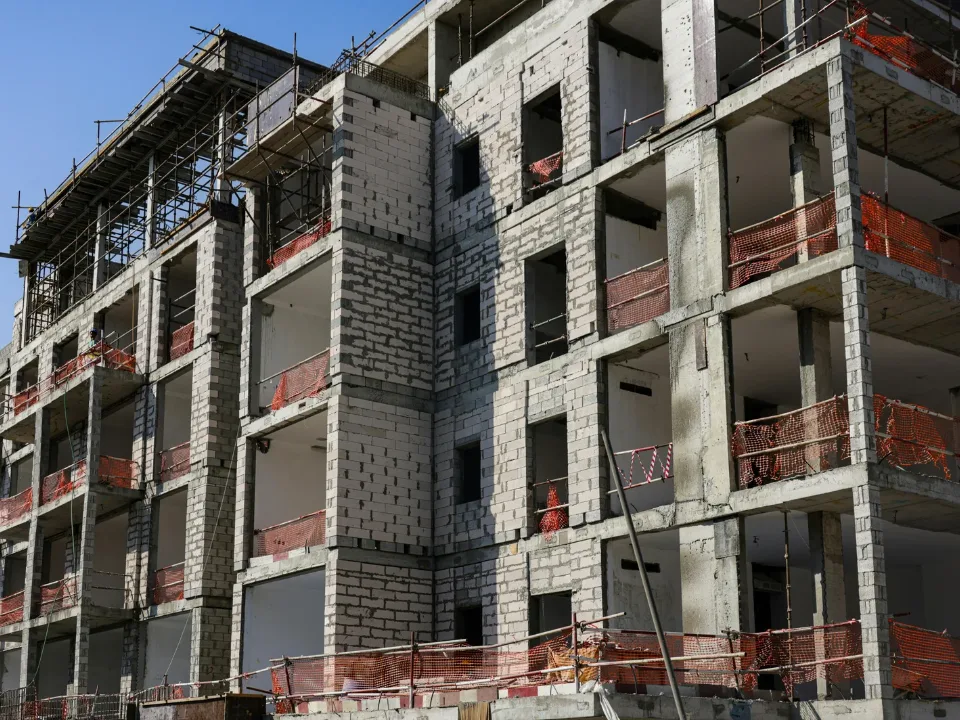
According to Cushman & Wakefield data, Miami-Dade has over 23K units currently under construction. This represents an 18% increase to existing inventory — the highest among 90 major US markets. Nearby markets aren’t far behind: Fort Lauderdale is adding 9%, while Palm Beach is growing by 5%.
Developers are continuing to build despite weaker leasing fundamentals. Just 21% of the 35K+ units under construction in South Florida are in the lease-up or preleasing phase, per MMG’s Q3 report.
Get Smarter about what matters in CRE
Stay ahead of trends in commercial real estate with CRE Daily – the free newsletter delivering everything you need to start your day in just 5-minutes
Rent Pressures And Equity Pullback
Rents are sliding. Miami remains one of the nation’s most expensive rental markets, with one-bedroom apartments averaging $2,250, according to Zumper. However, asking rents have dropped nearly 6% over the past year. Concessions like free rent are on the rise to boost absorption.
The result: equity investors are pulling back. Rising construction costs and flat or declining rents mean many projects no longer pencil out. “[They] don’t quite make sense for the equity,” said GAIA Real Estate CEO Danny Fishman, who noted that their underwriting assumes rents 8% to 10% lower
Looking To Buy, Not Build
With development risk rising, many investors are turning to acquisitions. Multifamily sales are up 13% year-over-year, with distressed property transactions rising 20% in Q3, according to Multifamily Dive. The appeal of buying stabilized assets outweighs the uncertainty of ground-up development for many players.
What’s Next
Investor sentiment at the start of 2025 was hopeful, but rising vacancies and tepid rent growth have clouded the outlook. “We used to say survive to ‘25,” Ferrari added, “but it feels like that’s been pushed out a year or two.”
For now, developers and investors alike are watching rent trends and lease-up velocity closely. While South Florida’s fundamentals remain strong in the long run, the short-term oversupply has introduced a new era of caution in one of the country’s most resilient multifamily markets.