





- The Fed made a small rate cut in September, but long-term policy remains unclear. Rates are expected to stay high through 2025.
- Higher interest rates are affecting every part of CRE, from pricing to refinancing to new investment decisions.
- Borrowers are facing tighter lending standards, lower loan proceeds, and shorter terms.
- About $1.5T in CRE loans will mature by the end of 2025, making refinancing a growing challenge.
Welcome to the New Baseline
After two years of warnings, the Fed’s “higher for longer” policy stance has solidified into reality, according to Lee & Associates.
While a modest 25-basis-point cut in September brought short-term relief, it did little to shift the broader outlook. With 10-year Treasury yields hovering around 4% and borrowing costs topping 6%, the new cost of capital is changing how, and whether, CRE deals get done.
Uncertainty around the Fed’s long-term rate floor, whether closer to 2.5% or 4%, is only adding to market caution. What started as temporary caution has now evolved into a permanent recalibration.
CRE’s Strategic Reset
The higher-for-longer narrative is playing out in every corner of the market. Investment strategy is no longer about waiting for the pivot, it’s about adapting to a new playbook:
- Capital is more selective: Lenders are demanding strong sponsorship and conservative leverage.
- Asset performance matters: NOI consistency, not market momentum, drives investor interest.
- Refinancing pressure is real: With $1.5T in CRE debt maturing by the end of 2025, capital shortfalls are surfacing, particularly in transitional assets and overbuilt metros.
In this cycle, investors aren’t just delaying deals, they’re repricing them entirely.
Sector by Sector
Office: Vacancy remains high, especially in Class B/C assets in markets like Denver and San Francisco. Even top-tier buildings face scrutiny over lease rollover and capital needs. Many assets are being repositioned or left stranded.
Multifamily: Still a preferred asset class, but performance varies. sun belt markets like Austin and Fort Myers are dealing with rising vacancies and concessions. Urban cores like New York and Boston are holding up better. Rent caps and construction costs complicate underwriting.
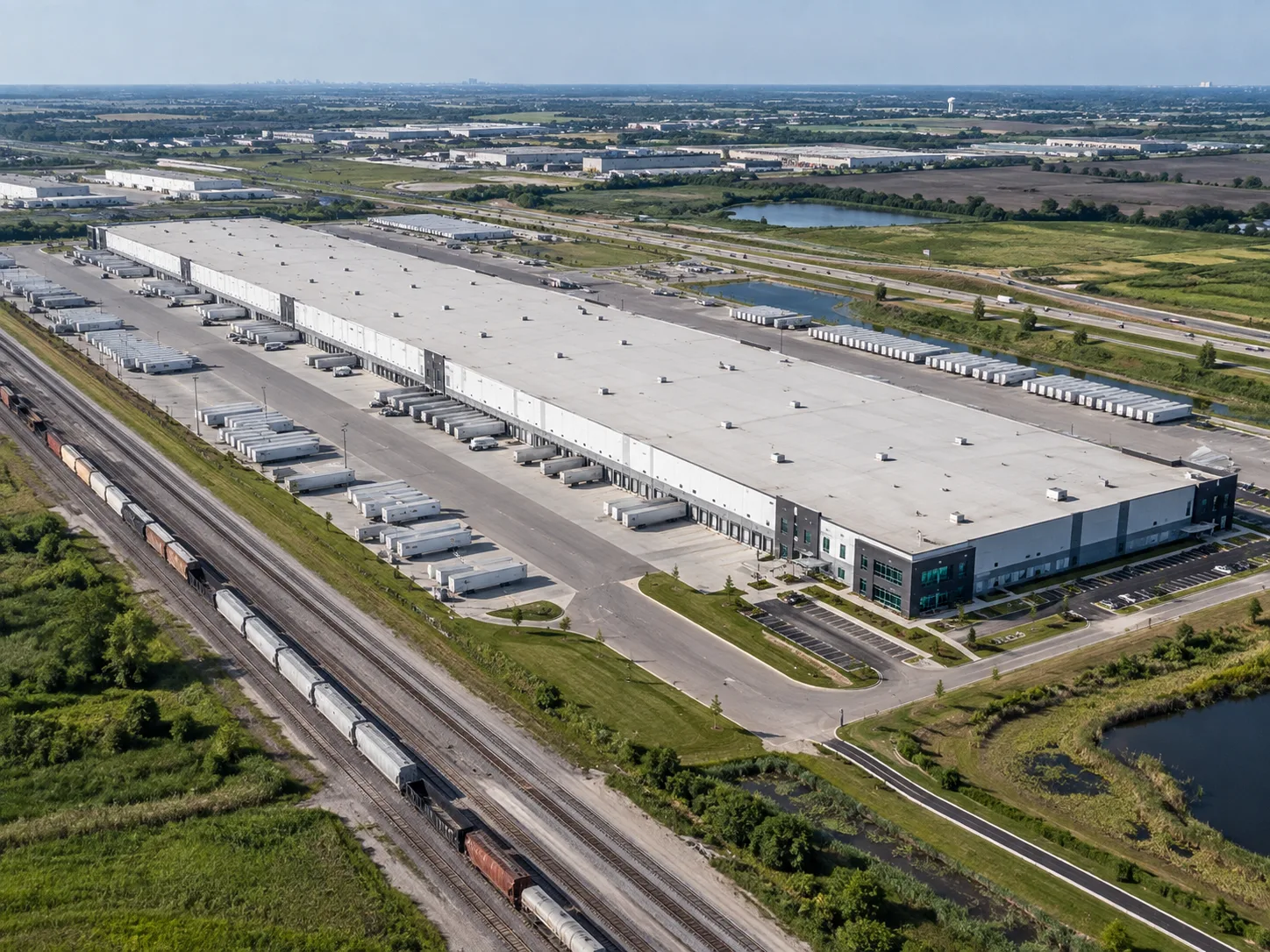
Industrial: Fundamentals remain strong, though the pace has cooled. National vacancy is 7.4%, with slower absorption in big-box markets. Infill and flex properties are in demand due to steady tenants and manageable capex.
Retail: Performing better than expected. Grocery-anchored centers and experiential retail are doing well, especially in markets like Miami and San Diego. Tertiary retail and non-credit tenants remain under pressure.
Cap Rates in Flux
Headline cap rates appear steady, but the market tells a different story. Sellers are holding onto peak values while buyers underwrite today’s risk. With limited transactions, true pricing is still adjusting, often through deal restructuring or discounted equity.
New Investment Playbook
The shift in capital markets requires a more operationally driven approach to investing. In today’s climate, the fundamentals of strong cash flow and asset control are paramount. Investors are adapting in five key ways:
- Cash Flow First: Stabilized assets with predictable income streams are king.
- Execution Matters: Value creation is being driven by leasing, expense control, and selective repositioning, not expensive renovations.
- Know Your Exit Before Entry: Liquidity is limited; investors must be prepared to own through the full cycle.
- Creative Capital Stacks: Preferred equity, seller carrybacks, and bridge-to-perm debt are closing gaps where traditional lending won’t.
- Targeted Value-Add: Investors are eyeing operational inefficiencies and fixable obsolescence, not speculative appreciation.
The Road Ahead
The Fed’s recent cut was not a turning point. It was a short-term adjustment in a longer-term environment of elevated rates. Investors who adapt their strategy, not just their expectations, will be best positioned going forward.
In this new phase, success comes from discipline, local knowledge, and strong execution.
Get Smarter about what matters in CRE
Stay ahead of trends in commercial real estate with CRE Daily – the free newsletter delivering everything you need to start your day in just 5-minutes