





- The Fed’s recent rate cuts are encouraging investors to re-enter the commercial real estate (CRE) market, driving early signs of cap rate compression.
- Asset classes like industrial and multifamily are already seeing increased buyer activity, though the effects vary by sector.
- Lower base rates—not tighter credit spreads—are the key factor fueling renewed transaction momentum in CRE.
With the Federal Reserve’s rate-cutting cycle underway, momentum is returning to the commercial real estate market, according to Globe St.
On a recent CBRE webinar, capital markets leaders highlighted early signs of cap rate compression, as falling borrowing costs and clearer monetary policy outlooks improve investor confidence.
Tommy Lee, co-head of capital markets at CBRE, said lower short-term rates are prompting capital to move out of cash and into higher-risk, higher-yield assets. “As the short rate comes down, you’re going to increasingly see money rotate into longer-term, less liquid assets,” he noted.
Lee emphasized that beyond actual rate cuts, the Fed’s signaling is helping unlock deal activity by giving investment committees greater clarity.
Sector-by-Sector Breakdown: Retail
Retail cap rates have remained relatively stable, despite a 75-basis-point drop in borrowing costs since January. According to CBRE’s Christopher DeCoufle, the sector’s tight supply-demand dynamics are holding rates steady, although activity could increase if more “Core Plus” capital re-enters the space.
Industrial
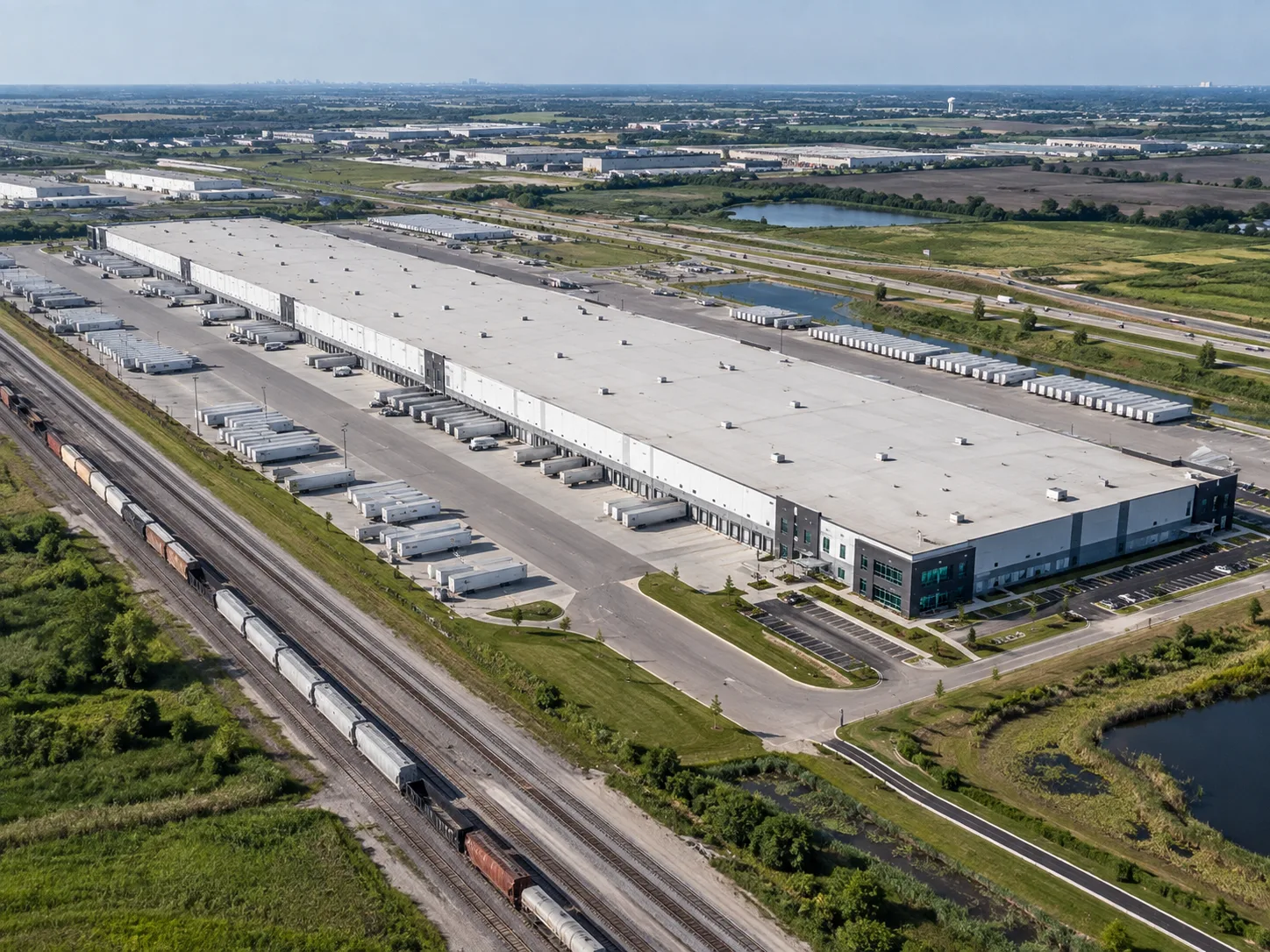
The industrial market is already seeing a spike in investor interest. Will Pike, CBRE’s industrial lead, noted that “enthusiasm from a bidding standpoint” has picked up in just the last two weeks. With stable fundamentals and abundant capital, industrial assets are seeing competitive pricing pressure.
Multifamily
In multifamily, the effects are mixed but encouraging. Kelli Carhart said that rate cuts are easing underwriting challenges and boosting optimism. With homeownership in cities like Austin and across California costing over $2,000 more per month than renting, multifamily remains attractive—though many deals still assume flat or compressing exit cap rates.
Get Smarter about what matters in CRE
Stay ahead of trends in commercial real estate with CRE Daily – the free newsletter delivering everything you need to start your day in just 5-minutes
Valuation Anchors and the Debt Picture
Panelists agreed that the 10-year Treasury yield continues to play a central role in pricing and strategy. Historically, the spread between cap rates and Treasurys has ranged from 100 to 150 basis points. “Fifty basis points is too tight,” Lee said, signaling a likely reversion toward historical norms as rates decline and leveraged buyers return.
On the debt side, credit spreads have remained stable and tight—consistent with early 2021 levels—meaning that lower base rates, not easing credit conditions, are driving improved financing terms. “Anybody borrowing bank financing has just picked up 25 basis points, and likely will pick up more,” Lee added.
The Path Forward
CBRE’s Patrick Gildea shared cautious optimism on the office sector, pointing to five straight quarters of positive absorption in select submarkets. While broad cap rate compression may be slower here, fundamentals are beginning to catch up. “Ninety percent of inventory is performing far better than headlines suggest,” he said.
What’s Next
As base rates fall and transaction volume picks up, cap rate compression is expected to continue—but selectively, based on sector fundamentals. Credit spreads are not a near-term concern, and investor risk appetite is clearly rising. For owners and investors, the decision to sell or hold will hinge on timing, pricing, and whether the current Fed trajectory continues to unlock value across CRE.